
What happens with sudden chest pain while running? Chinese doctors teach you to prevent "offset"
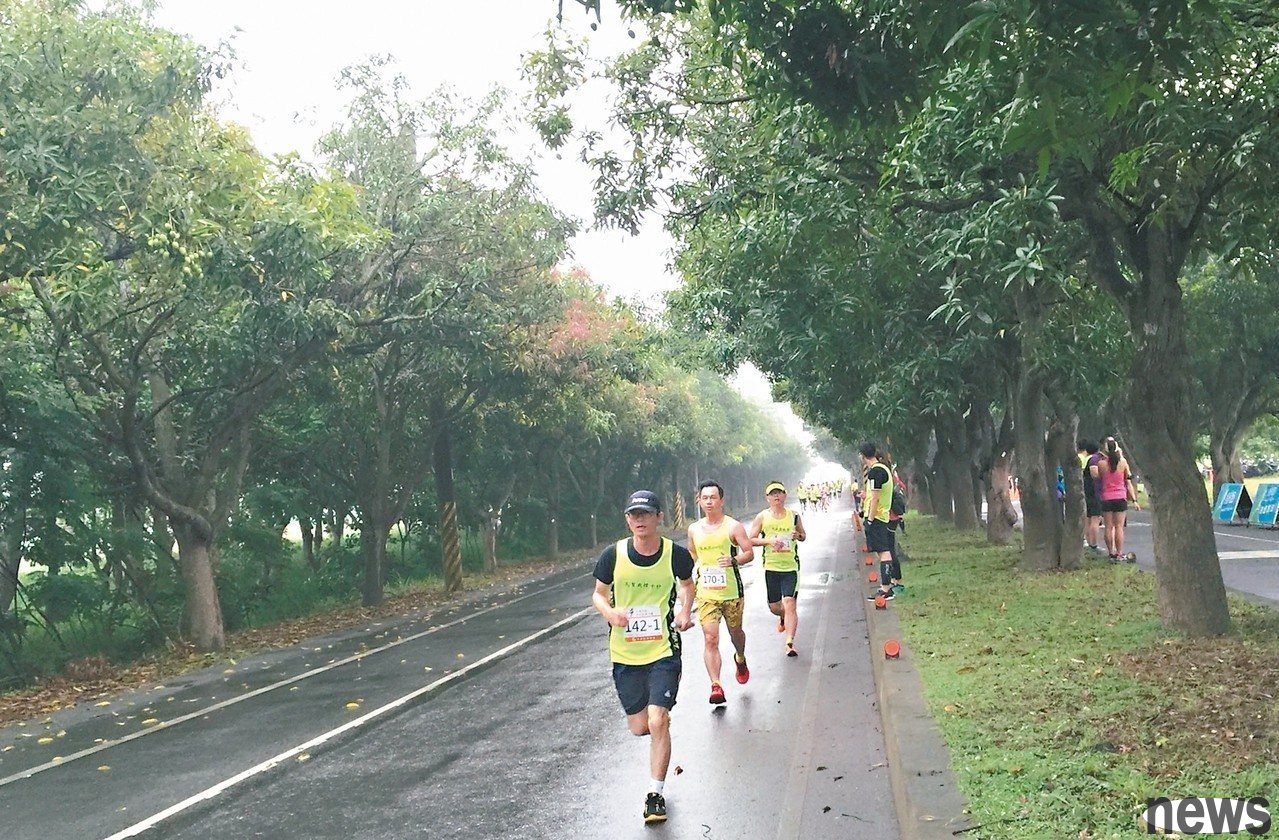
Many people encounter stomachache during running, which is actually what is commonly known as "offset". Wang Hongrui, a physician at the Central Hospital of Chaoyang District, Beijing, introduced that the scoundum is also called sports scoundum or acute chest and rib pain, which refers to sports exercise, especially pain in the chest and ribs during running. Pain often occurs under the left and right ribs, and will naturally disappear after the movement stops. So, what is the cause of the tumbling? How to deal with a tamper? How should runners prevent strafes?
Wang Hongrui introduced that the cause of the twitch is that the body is in a static state and performs sudden movements, such as when weighing, pushing, jumping, climbing or moving heavy objects, exerting too much force, inadequate force or sudden injury, causing the gait to gather in the chest and not dissipate. From the perspective of modern medicine, sudden high-strength activity will cause muscles to enter tightness in a short period of time, but the internal organs are very inert and cannot move immediately to meet the nutrients and oxygen required for muscle activity, which will lead to The respiratory muscles are tight and then suffer from dysfunction. At the same time, the oxygen required for body activities increases. If the breathing is not done properly, it only speeds up the breathing frequency without deepening the breathing, which will cause oxygen to not be able to meet the needs of muscle activities, which will cause discontinuity.
If there is a twitch during movement, you should stop exercising immediately. At the same time, you can place your hand under the ribs and take as deep breath as possible. "Qiu Hu, deputy director of the Department of Sports Medicine at Xiangya Hospital of Central South University, reminded that those with twitches can be treated as follows:
1. Within 48 hours after the twitch, cold water or ice can be used to compress coldly on the painful area for 20 to 30 minutes. The activities should be reduced. It is advisable to take a twitch and do not massage, heat treatment, syringe, moxibustion, etc.
2. After 48 hours of tumbling, if there is still kidney stagnation and blood stasis in the wound, local massage and treatment can be performed to speed up the new dynasty and promote organizational repair.
3. Although local symptoms such as kidney dysfunction, blood congestion, and pain have been slowly eliminated, their function has not yet returned to normal. Massage, moxibustion, and treatment can be performed. At the same time, functional training of the wounded area is strengthened so that the wounded area can be put into regular training as early as possible.
So, how to prevent strafes while running? Runners should strengthen their core strength and improve their core control and stability. They can practice 1 to 2 sets of core strength exercises before running to activate core muscles. For example, standard flat plate squeezing and spinning movements are beneficial to improve abdominal strength and reduce problems such as internal friction with the peritoneal friction caused by running vibrations. In addition, runners should avoid eating a lot of food and water at least 2 hours before running to reduce the impact of internal organism changes on the peritoneum; you can drink a small amount of water during the exercise, but avoid using high-calorie drinks to avoid indirect effects on the peritoneal cavity environment.
Source
Recommend News
-

How long can chicken eggs be kept safely in room temperature? It should not take
-
It is absolutely not difficult to serve quickly. Experts teach 3 points to make
-

Feeling good... Only after 400,000 people have found out that there are three hi
-
Ayuan Soap boss actually tested "Save 1/3 of the charge if it doesn t matter the